School & Play

In 1840, only 55 percent of children in the country attended primary school. Most rural communities had one-room school houses where children of all ages learned together. Many students were siblings and the older pupils helped teach the younger ones in the classroom. Boys typically attended school for more years than the girls because they needed the education to manage the farm. By 1900, 34 states had laws requiring children to go to school. 

Photo of Bell.
This brass school bell with a wooden handle (HF.9.68) was used to let students know when the school day was beginning, when recess was over and when the school day was over.
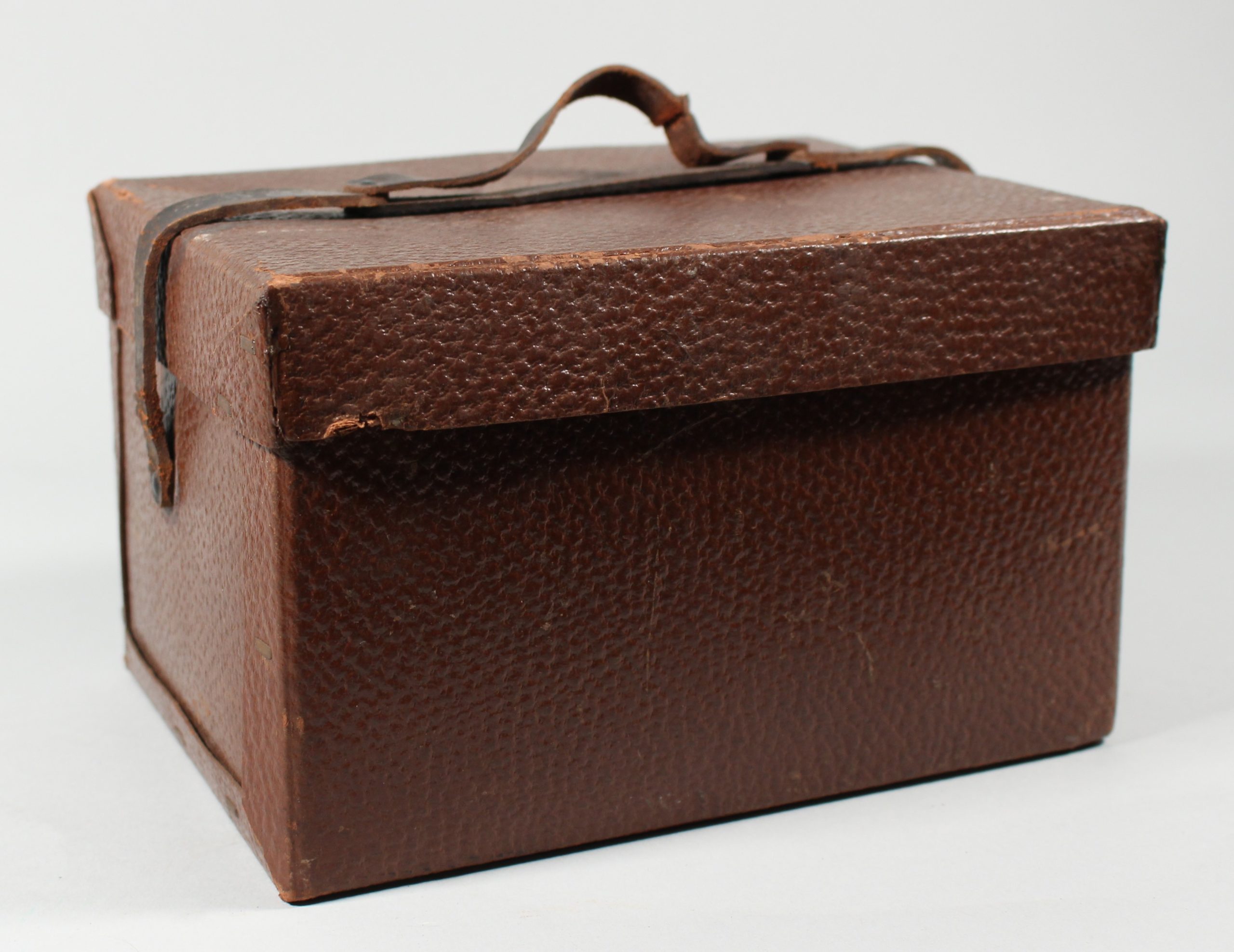
Photo of Lunchbox.
This lunchbox (HF.12.60) was used by children to pack their lunches for school in.
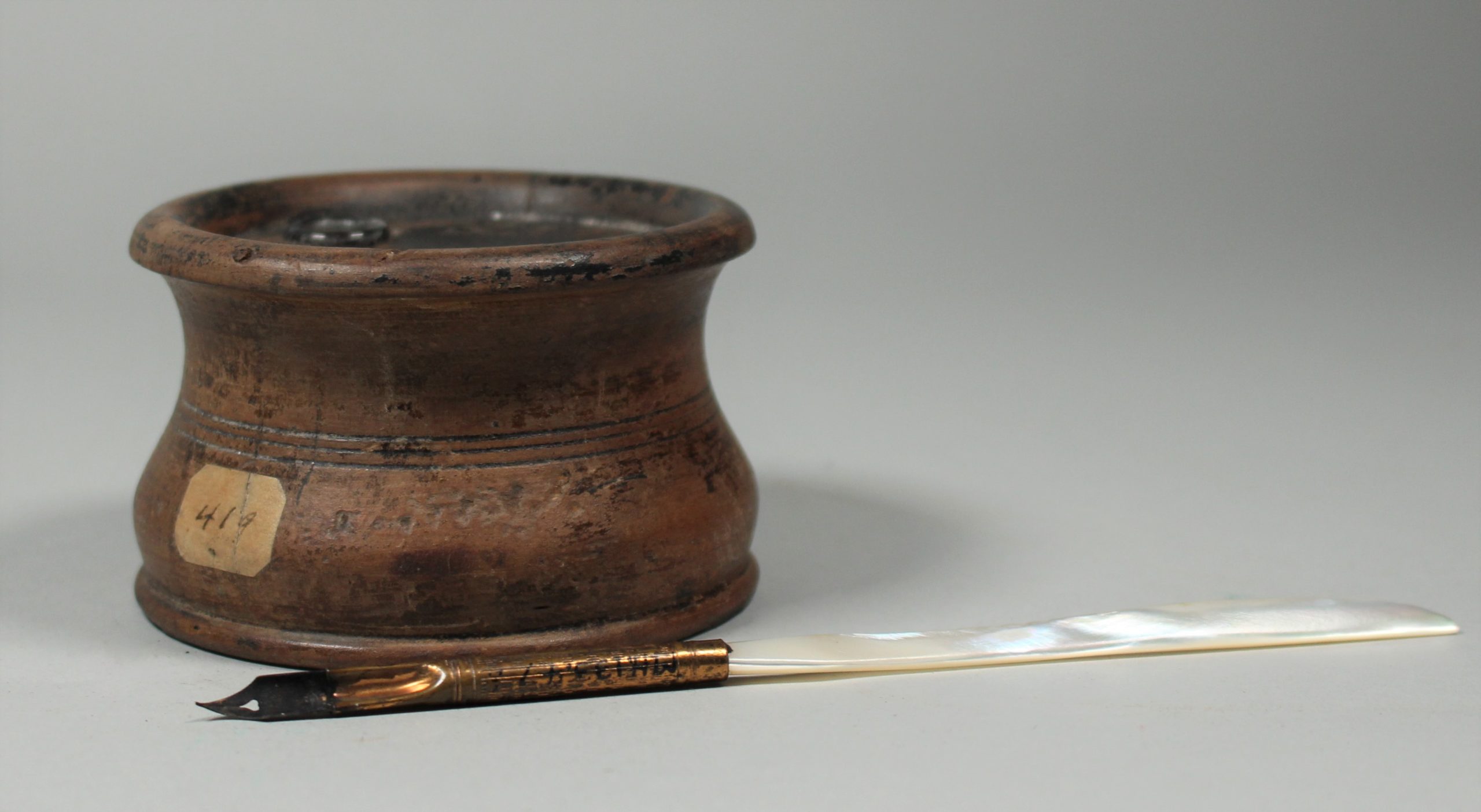
Photo of Inkwell and pen.
This wooden inkwell and a dip pen (HF.27.41) was used by students to write.
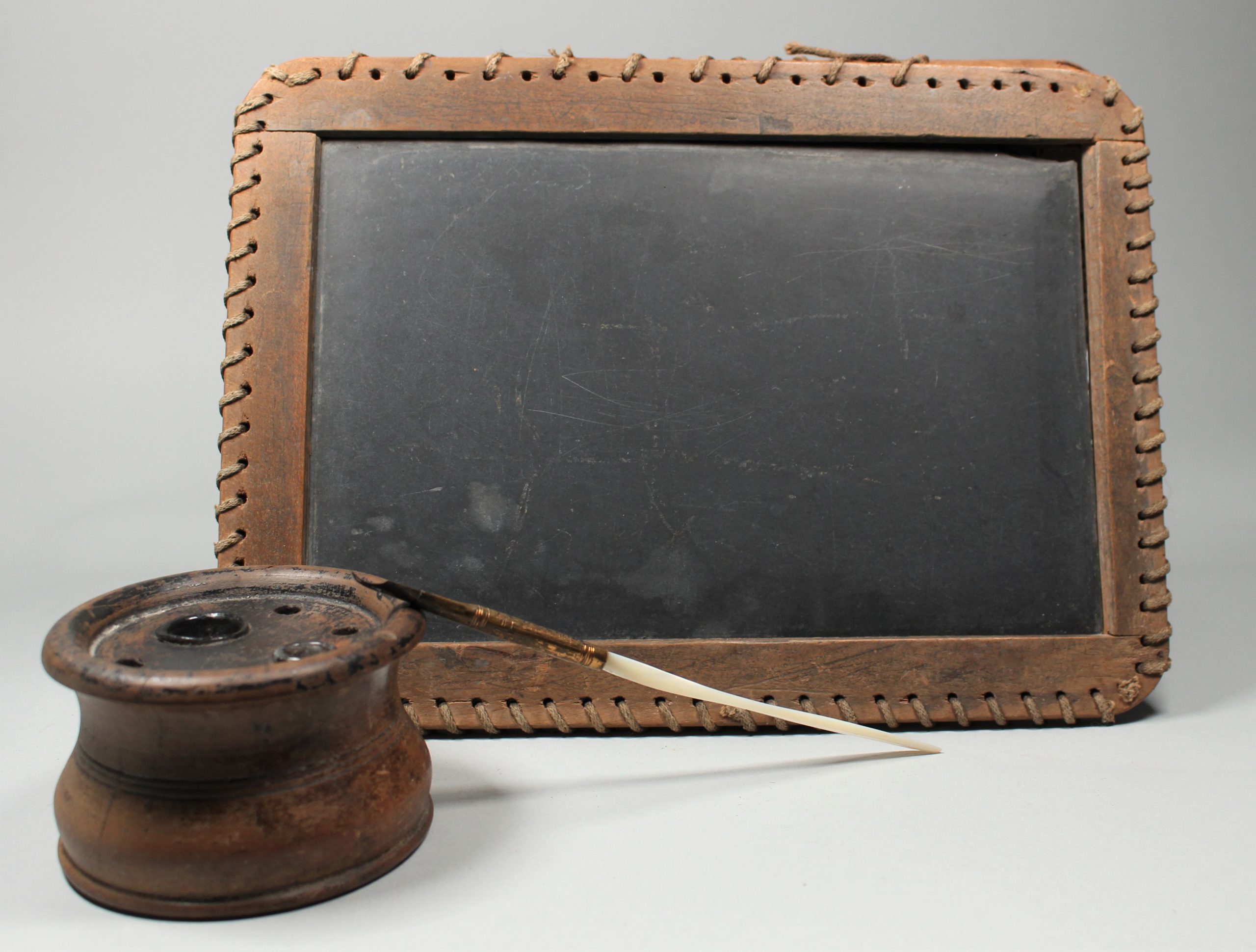
Photo of slate and inkwell.
This hinged double slate (HF.27.46) was used by students to practice writing and math.
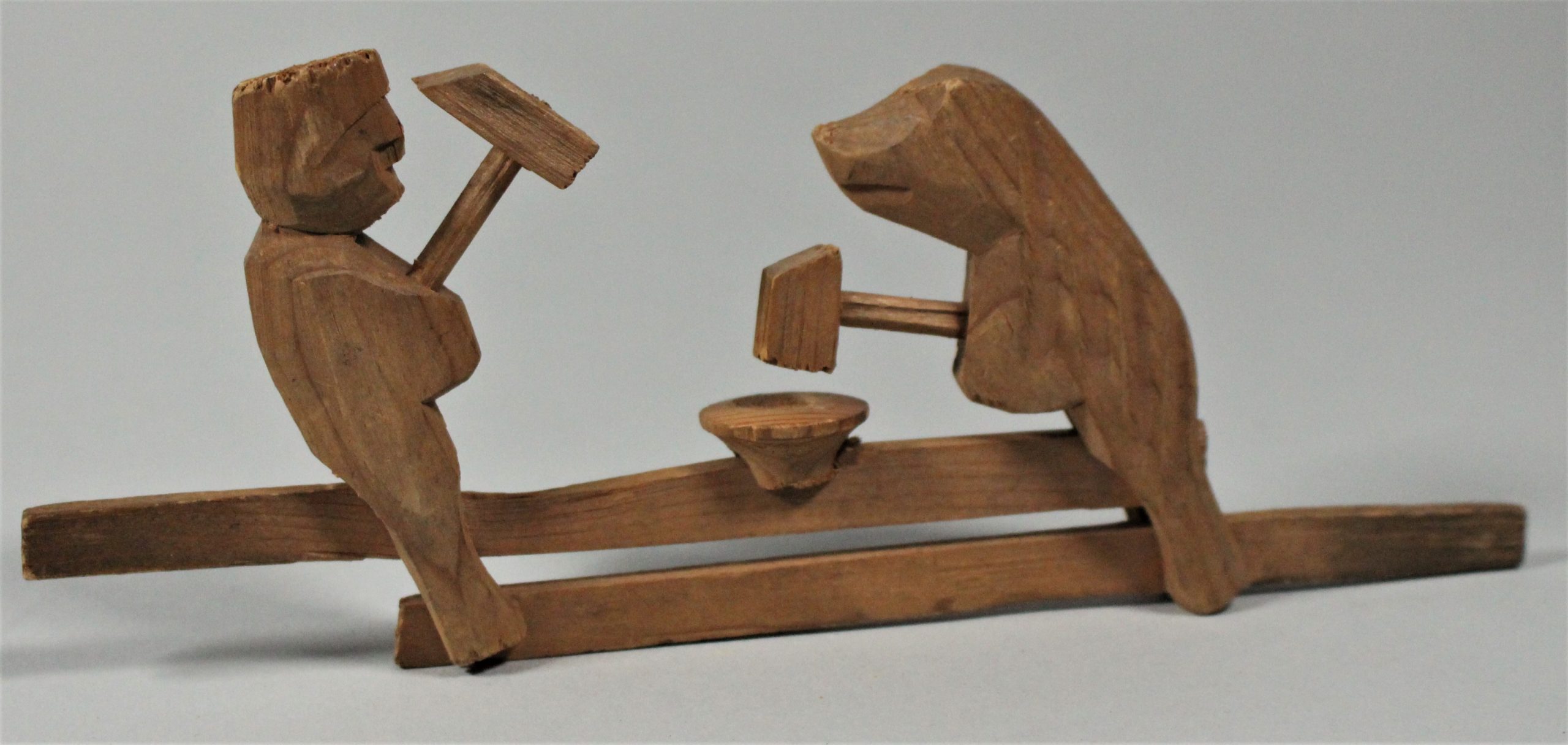
Photo of Wooden Toy.
This hand carved push-pull toy of a man and bear hammering (MH.5.68) was used by children.
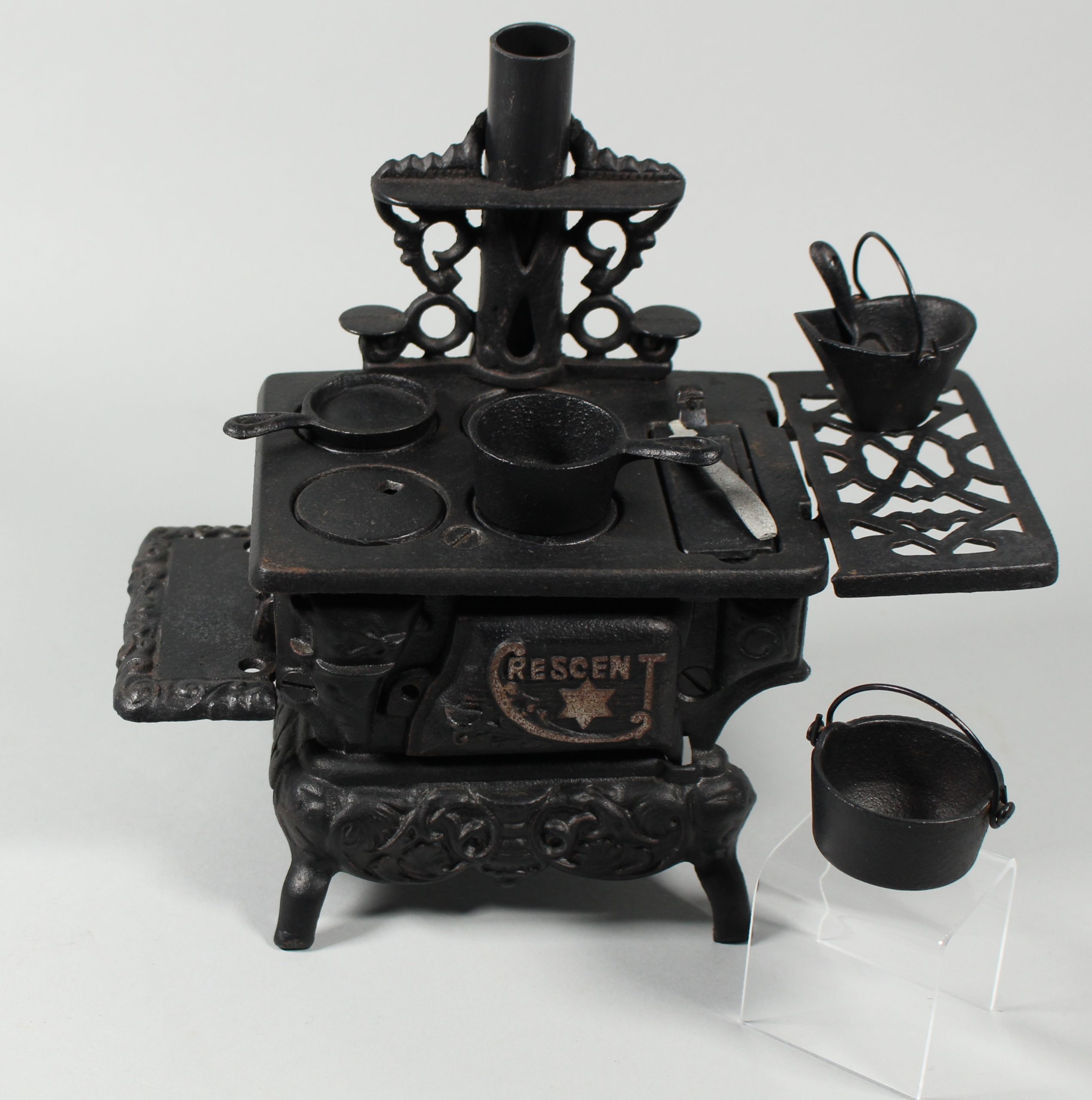
Photo of Toy Stove.
This miniature wood burning toy stove (HF.10.73) was modeled after the stove created in 1910.

Children didn’t have very many toys because they were often too busy helping their parents. The toys they did have were usually educational in some way or derived from a household item; detailed toy stoves were created to play with and to teach children how to cook.